The Final Thesis · section 19 of 92
THE SILENCE BEFORE THE KING
From ZERO to resurrection: Shah Rukh Khan, the digital revolution he helped build, the silence outside Mannat, and the question of what comes next
A long-form investigative and cultural thesis • September 2026
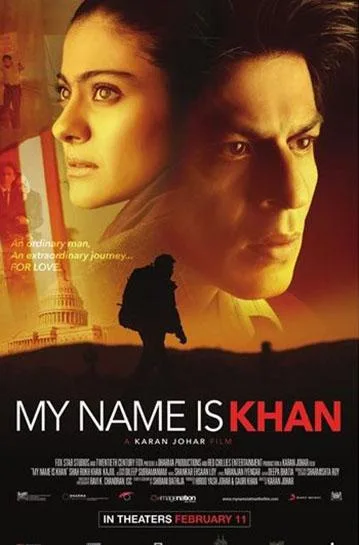
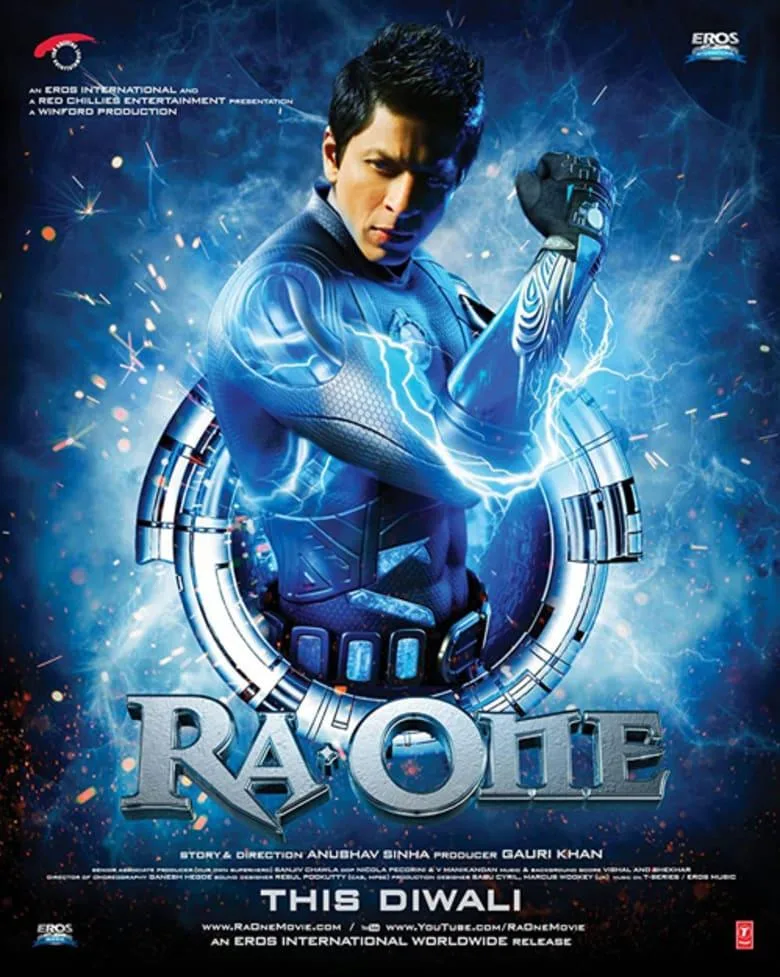

PROLOGUE: THE QUESTION THAT SHOULD HAVE BEEN ASKED
Behind closed doors, everyone:
“If not for Shah Rukh Khan, then for whom will the largest democracy in the world stand behind?”
It is not merely a question about a movie star.
It is a question about the relationship between a country and the people who give it cultural meaning; about the responsibilities of institutions; about the difference between the adoration of a celebrity and the public's willingness to stand beside a human being when his family is under extraordinary scrutiny.
India secured independence from British rule in 1947 after a long struggle involving mass mobilisation, civil disobedience, non-cooperation, sacrifice and resistance. The freedom movement drew strength from the participation of ordinary people, not merely from the decisions of powerful institutions.
And yet, in the recollection at the heart of this thesis, a disturbing question emerges from 4 October 2021.
Where were the millions?
Where was the collective voice of the people who had turned Shah Rukh Khan into one of the most recognisable cultural figures in the world?
Where was the public demonstration of solidarity that might have said, without presuming to decide the legal merits of a case, that a father and his family deserved dignity, fairness and humanity?
The date matters.
Not 30 October, when Aryan Khan returned home to Mannat. Not the scenes of celebration and relief reported after his release.
The public record establishes that Aryan Khan was arrested on 3 October following a Narcotics Control Bureau operation connected with a cruise ship. On 4 October, he was produced before a magistrate and remanded to custody. The legal proceedings would continue for weeks.

indiatoday.in
+1
News reports later documented fans gathering, messages of support and police clearing crowds outside Mannat. Those later reports do not establish exactly what every street outside Mannat looked like at every hour on 4 October.
Bollywood
+1
That distinction matters to a publishable thesis.
The claim of a deafening silence on 4 October is presented here as the defining recollection and interpretation of Gupta—not as a verified census of every person outside the residence. The question it raises, however, reaches far beyond a headcount.
What does mass fandom mean when the person at its centre is in distress?
Can millions of people celebrate a star, buy products associated with him, reproduce his image, promote his films and build their own identities around his success, yet remain spectators when the same star's family faces a public ordeal?
And what happens when the man who helped turn fans into an active digital community finds himself at the centre of a crisis in which the relationship between fame, public support and institutional power becomes impossible to ignore?
To understand why these questions matter, we must go back to 2010.