The Final Thesis · section 35 of 92
CHAPTER 6 — ASOKA TO BOODA: BE DA BOO-DA
The emperor, the empire and the absurdity of power
6
Here is where the thesis takes its most unusual turn.
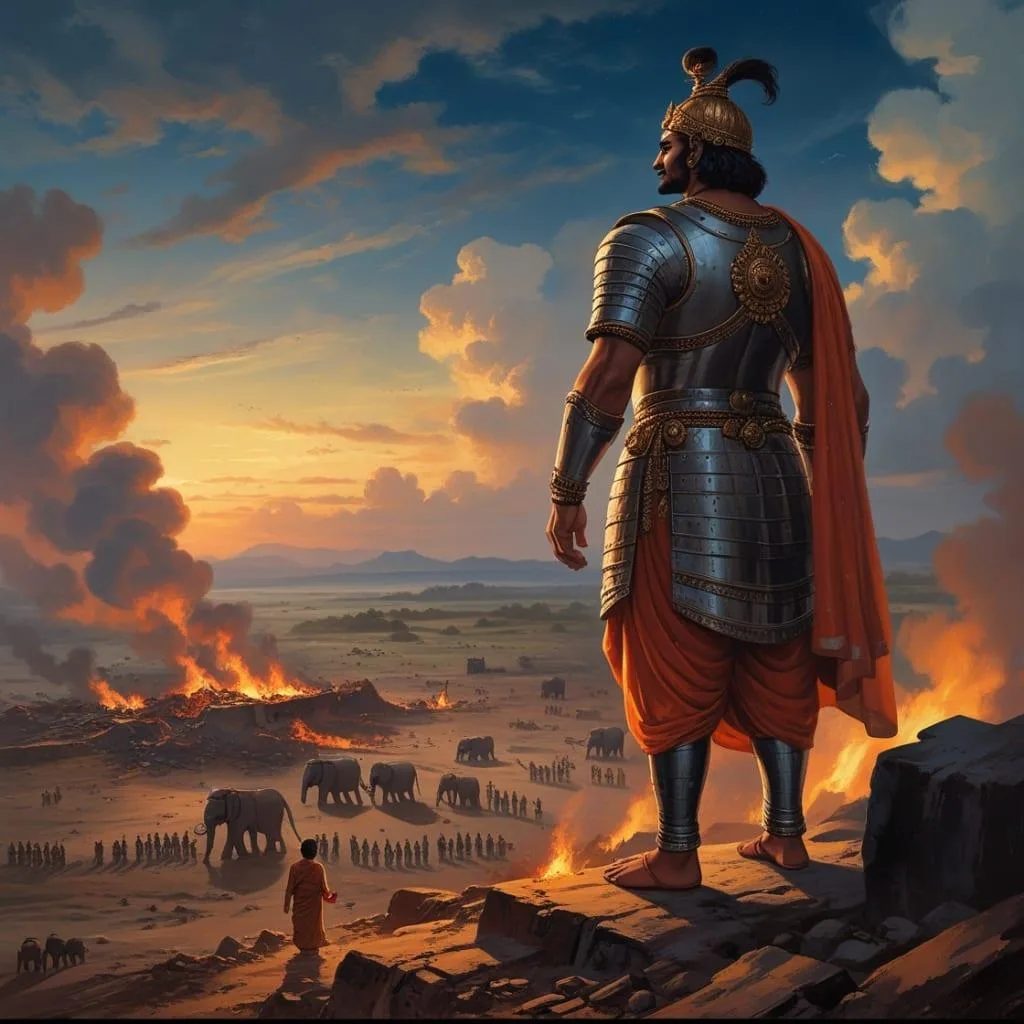
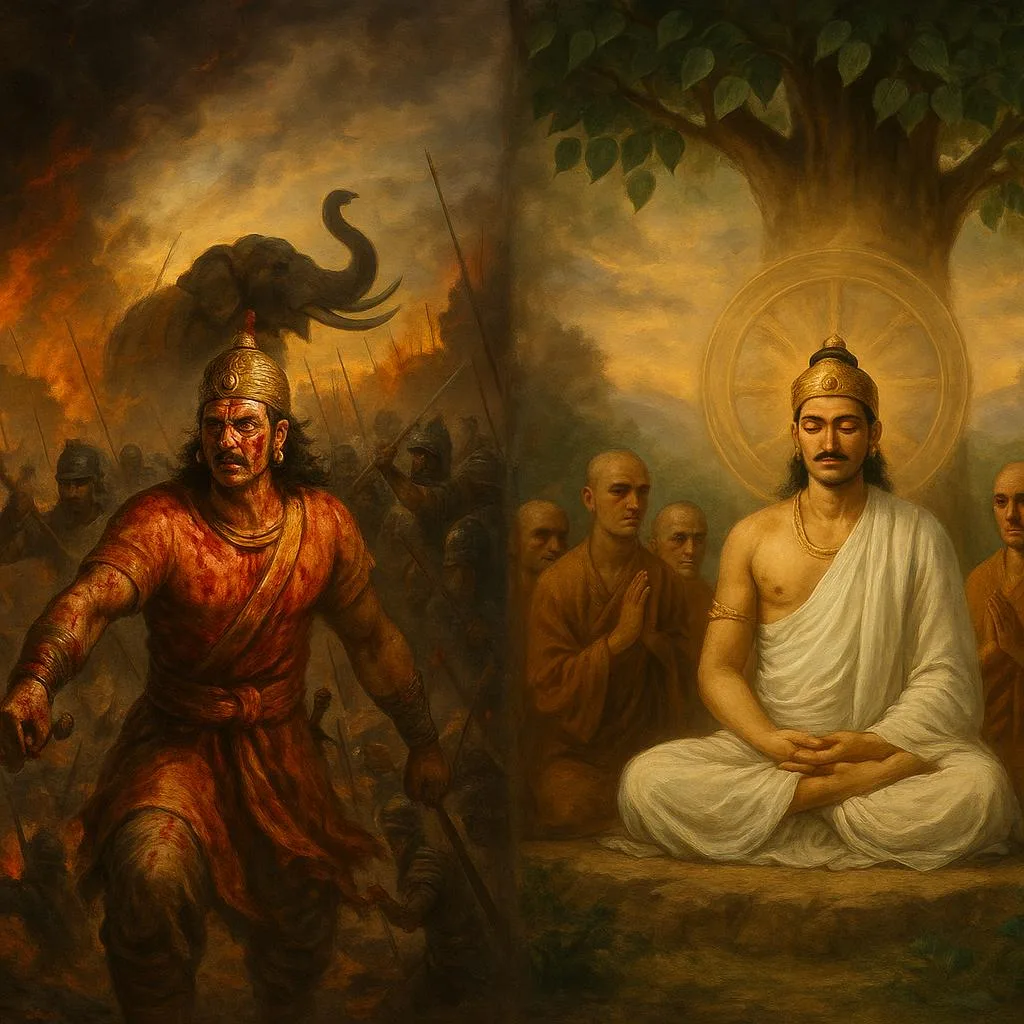
Ashoka is remembered in Indian history through the transformation associated with the Kalinga war and his subsequent embrace and patronage of Buddhism.
The popular narrative is one of a ruler confronting the human cost of conquest and turning towards a different conception of power.
Now transpose that arc into the absurd theatre of modern celebrity.
Not Ashoka to Buddha.
ASOKA TO BOODA.
Be Da Boo-Da.
A satirical, darkly comic phrase for a modern King who has played the game, built the empire, supplied the spectacle, and then appears to have stepped back from the very machinery that made him powerful.
The joke is deliberately irreverent.
The metaphor is not a claim that Shah Rukh Khan has undergone a religious transformation, nor that he privately identifies with Ashoka or Buddha. It is a fictional interpretive device for examining the public arc of a celebrity and the systems around him.
The first act: ASOKA
The emperor builds.
He conquers markets, expands territory, creates alliances and turns his name into an institution.
In the Shah Rukh Khan version of this satire, the empire is not built with armies.
It is built with cinema, characters, digital campaigns, fan clubs, brand partnerships, technology and the extraordinary machinery of mass attention.
Ra.One is the experiment in technological conquest.
Chennai Express is the campaign that turns the audience into an army of participants.
The King discovers that the internet can become a kingdom, the fan can become a citizen, and a film can become an ecosystem.
But every empire has a bureaucracy.
Every revolution develops intermediaries.
And every successful system creates people whose livelihoods depend on keeping that system operating in familiar ways.
The satire begins when the emperor discovers that the machinery of the empire may not share his appetite for revolution.
The second act: BOO-DA
The King stops playing the old game.
Or appears to.
The digital universe is not sustained at the level its early experiments suggested. The campaign machinery continues, but the permanent ecosystem remains elusive.
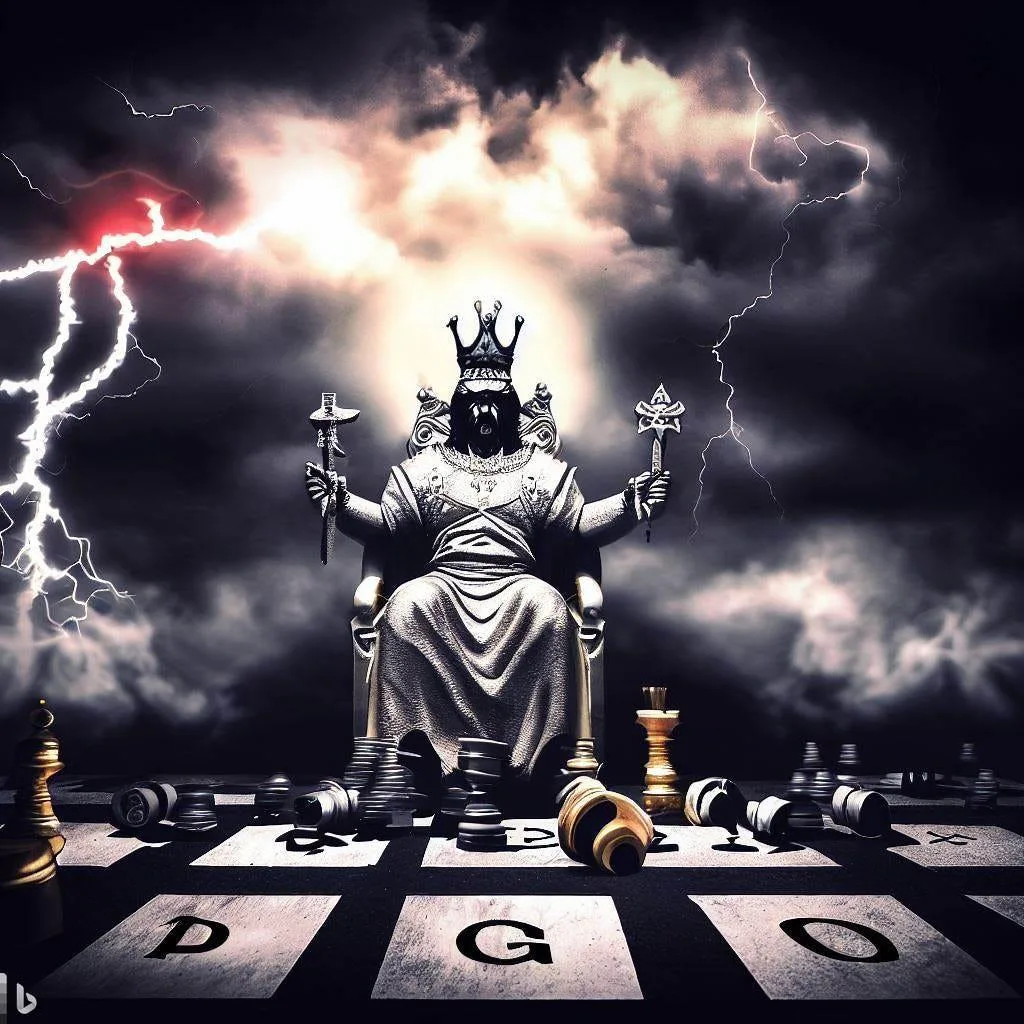
The King becomes ZERO.
The empire continues to exist. The audience remains enormous. The films and the brand continue to command attention.
But the grand technological experiment appears to have gone quiet.
In the satire, the emperor has not necessarily lost his kingdom.
He has become tired of the circus.
The word BOO-DA is the punchline: a deliberately playful inversion of the image of the conqueror becoming a contemplative figure.
The King has seen the machinery.
He has seen the cost of conquest.
And now, instead of endlessly expanding the old empire, perhaps he is asking a different question.
What is the point of having millions of followers if the system only knows how to turn their attention into a sale?
What is the point of building an entertainment universe if the audience has no continuing role in it?
What is the point of being KING if the rules of the kingdom never change?
The 2021 crisis becomes, in this satirical construction, the straw that breaks the camel's back.
Not the established cause of a private transformation, but the dramatic rupture around which the narrative turns.
The emperor has experienced the machinery of public life from another side.
The fan is no longer merely an enthusiastic participant in a campaign.
The superstar is no longer merely the centre of a commercial ecosystem.
The old equation—star creates, fans consume, platforms distribute, brands monetise—starts to look insufficient.
The third act: Be Da Boo-Da
This is the central creative proposition.
What if the apparent retreat was not the end of the story?
What if the King returned with a different understanding of the game?
The satire asks whether the next phase could be less about conquering attention and more about creating an ecosystem in which audiences participate in the making of entertainment.
Less about the King commanding the crowd.
More about the King creating a world in which the crowd can become a creator.
Less about the old empire's promotional machinery.
More about a new architecture of storytelling, technology and fan participation.
This is the point at which ASOKA TO BOODA becomes more than a catchy phrase.
It becomes a lens through which the entire career arc can be examined.
The emperor builds an empire.
The empire becomes a machine.
The machine reaches its limits.
The King withdraws.
The King returns.
And now the question is whether he will rebuild the same empire—or change the rules of the kingdom.
Be Da Boo-Da.
The joke is on the machinery of power.
The suspense is about what the King does next.