The Final Thesis · section 37 of 92
CHAPTER 8 — THE EMPIRE EXPANDS: CRICKET, CAPITAL AND ARTIFICIAL INTELLIGENCE
2024–2026: The pieces begin to form a new picture

4
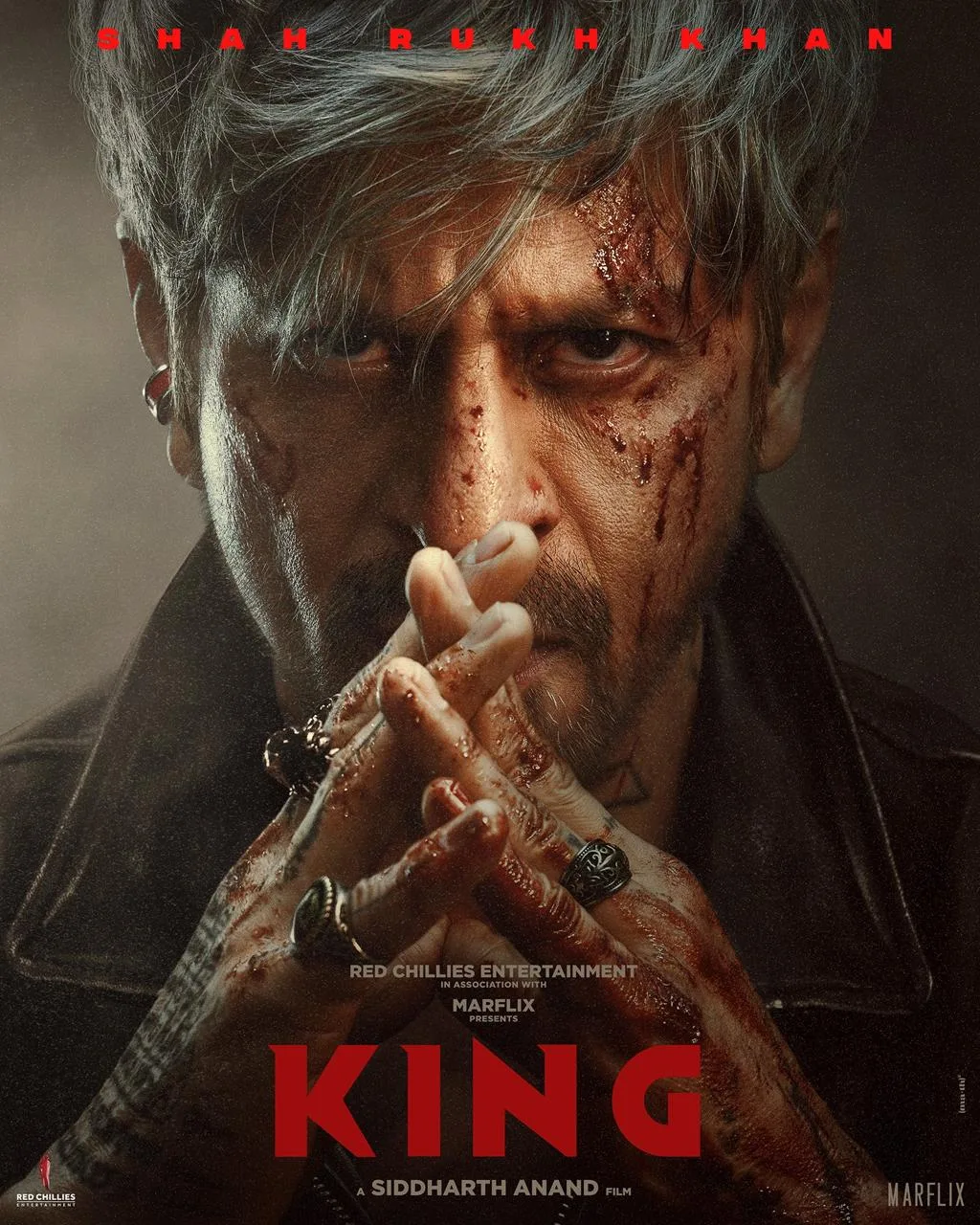
While the cinematic comeback dominated public attention, the broader business ecosystem continued to develop.
This is where the story moves from film marketing into the possibility of a larger entertainment platform.
The Knight Riders: From franchise to infrastructure
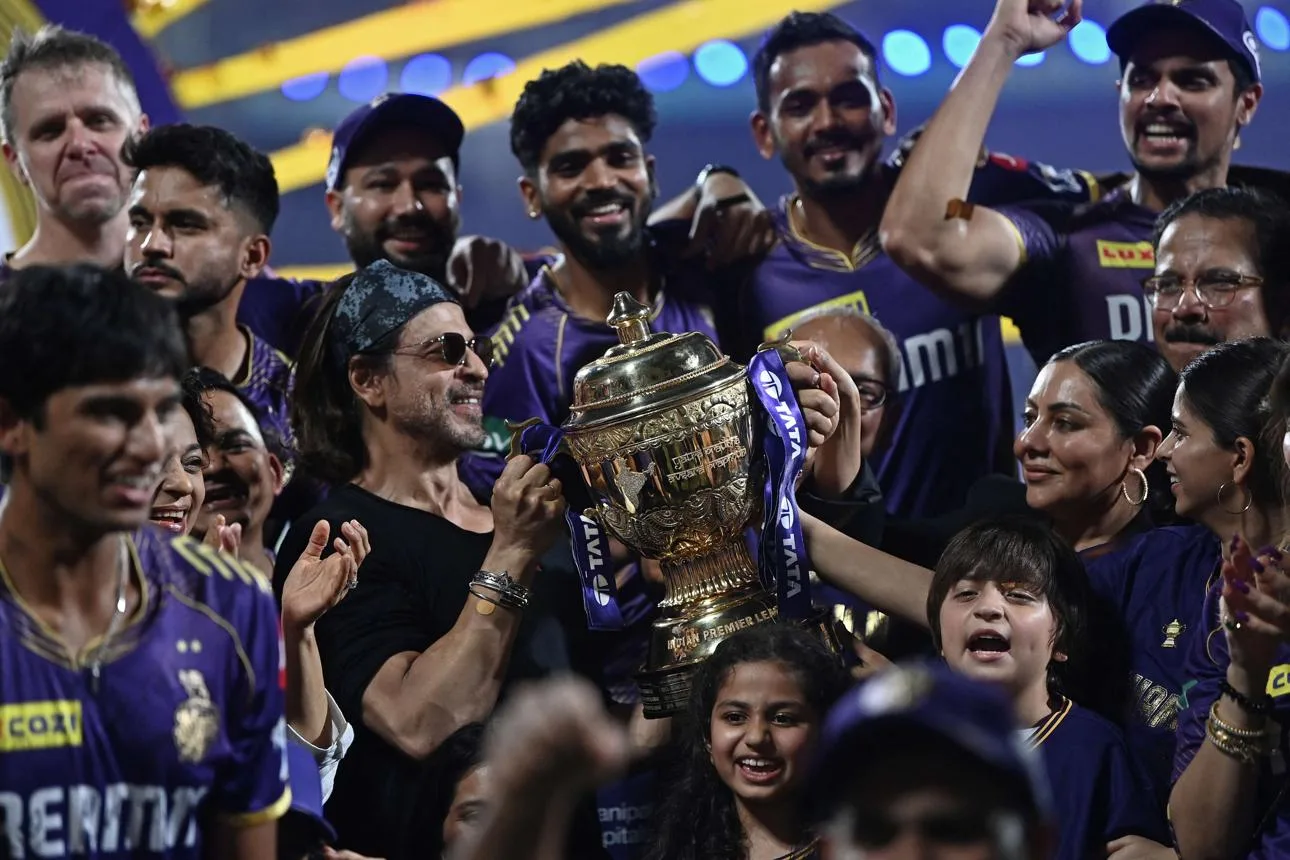
The Knight Riders brand has developed an international sports presence beyond the IPL.
In 2026, the Knight Riders Cricket Ground at Fairplex Pomona in the Los Angeles area was unveiled as part of the group's expansion into US cricket infrastructure. Khan is a co-owner of the Knight Riders organisation.

India Today
+1
This is not simply another celebrity endorsement.
It is the development of a physical venue connected to a sports franchise, fan communities, live events and international commercial activity.
A sports franchise operates across a continuing calendar. It has recurring fixtures, players, merchandise, fan communities, media, sponsorship and events.
It is structurally different from the promotional cycle of a film.
And yet the underlying question is similar:
How do you turn an audience into a continuing community rather than a temporary gathering around a release?
The Knight Riders model provides one real-world example of how a celebrity-associated entertainment brand can operate beyond a single product.
It does not prove that the same model is being developed for KING.
But it makes the possibility of a larger entertainment ecosystem worth investigating.
FLAM: The AI connection
In September 2026, FLAM announced a $40 million Series B funding round led by QED Investors, with Shah Rukh Khan among the participating investors. The company describes its technology as supporting interactive AI-generated content across marketing, product visuals, learning, entertainment and fan engagement.
flamapp.ai
+1
This is a documented investment connection.
It is not confirmation that Khan is developing a digital twin, an AI campaign for KING, or a particular fan storytelling platform through FLAM.
But consider the historical sequence.
In 2011, Ra.One explored a character who could exist beyond the screen.
In 2013, Chennai Express demonstrated how digital participation could move a shared campaign forward.
In 2026, AI technologies are increasingly capable of helping users create visual concepts, stories and interactive content.
The technological barrier to fan participation is changing.
A campaign that once required a large studio, a dedicated development team and a substantial production budget could, in principle, be reimagined as a toolset in which fans contribute their own stories and visual ideas.
The key question is no longer merely whether a campaign can use AI.
It is whether AI can become the creative infrastructure of a fan-powered entertainment universe.
The unfinished thread of SRKWORLD
Gupta's account of SRKWORLD adds another dimension.
She describes the venture as an early attempt to connect technology, entertainment, digital marketing and fan engagement, drawing on her professional history with Shah Rukh Khan and her work across film campaigns, licensing and digital strategy.
Her account positions SRKWORLD as an unfinished technological and creative thread.
The public material available here does not establish a current SRKWORLD revival, a formal connection to KING, or a technology agreement involving FLAM.
Those remain questions for verification.
But the juxtaposition is striking:
An earlier fan-franchise ambition.
A global sports and entertainment ecosystem.
A new investment connection to interactive AI.
A film called KING.
The temptation is to connect all the dots and announce a secret master plan.
That would be premature.
The more interesting approach is to ask whether the conditions for a new kind of entertainment franchise are now emerging—and whether KING could become the place where those conditions converge.