The Final Thesis · section 44 of 92
PART II — THE MISSING DECADE
Chapter 3. 2014–2018: The Shift from Integrated Experiments to Film-by-Film Promotion
The years following Chennai Express are central to the thesis.
This is not an assertion that digital innovation stopped, or that Shah Rukh Khan's subsequent films lacked marketing. Film-specific websites, social media, brand partnerships, trailers, digital campaigns, and fan engagement continued to evolve across the industry.
The question is narrower and more strategic:
Why did the integrated, persistent, multi-platform ambition visible in Ra.One and Chennai Express not become an equally visible, continuously operating fan ecosystem around the Shah Rukh Khan brand?
The distinction matters because an individual film campaign and a permanent entertainment platform have different economics.
| Film-specific marketing | Persistent fan-powered ecosystem |
|---|---|
| Built around a release date | Continues between releases |
| Campaign assets are often retired or repurposed | Fan profiles, communities and creative contributions can accumulate |
| Primary objective is awareness, engagement and ticket sales | Potential objectives include retention, creation, distribution, commerce and repeat participation |
| Campaign performance is evaluated per title | Performance can be evaluated across a portfolio of films, characters and experiences |
| Audience activity is often distributed across external platforms | A first-party platform can potentially provide continuity and consent-based relationships |
This comparison is a strategic framework, not a claim that every film campaign follows one model or that every fan platform achieves the other.
3.1 What changed in the environment?
The digital landscape itself was changing.
Social media became more central to film discovery and promotion. Mobile access expanded. Platform algorithms increasingly determined which content reached which audiences. Short-form video and creator-led communication became more prominent.
At the same time, the economics of a film launch encouraged concentrated promotional activity around a release window.
A permanent platform requires different investments: technology, moderation, rights management, community operations, data governance, creator tools, and ongoing content.
A film campaign can be judged within weeks. A fan ecosystem may take years to develop.
There are several plausible explanations for the apparent change in emphasis:
Research hypotheses — not established findings
01
Changing economics
A campaign may be easier to fund through a film's release budget and brand partnerships than through an ongoing digital platform whose returns accumulate over time.
02
Platform dependency
Building audiences on third-party platforms can deliver immediate reach while leaving access, data, algorithms and distribution subject to the platform owner's rules.
03
Organisational complexity
A permanent fan system requires coordination across production, technology, legal, marketing, licensing, community management and commercial partners.
04
The franchise question
The economics of a persistent entertainment universe may be easier to justify when characters and worlds recur, rather than when each film is marketed as a standalone property.
These hypotheses need documentary evidence, interviews, campaign expenditure data, platform records, and internal decision-making material before any can be presented as the definitive reason.
The absence of a publicly visible permanent platform is not proof that no such work occurred privately.
3.2 ZERO: A symbolic endpoint
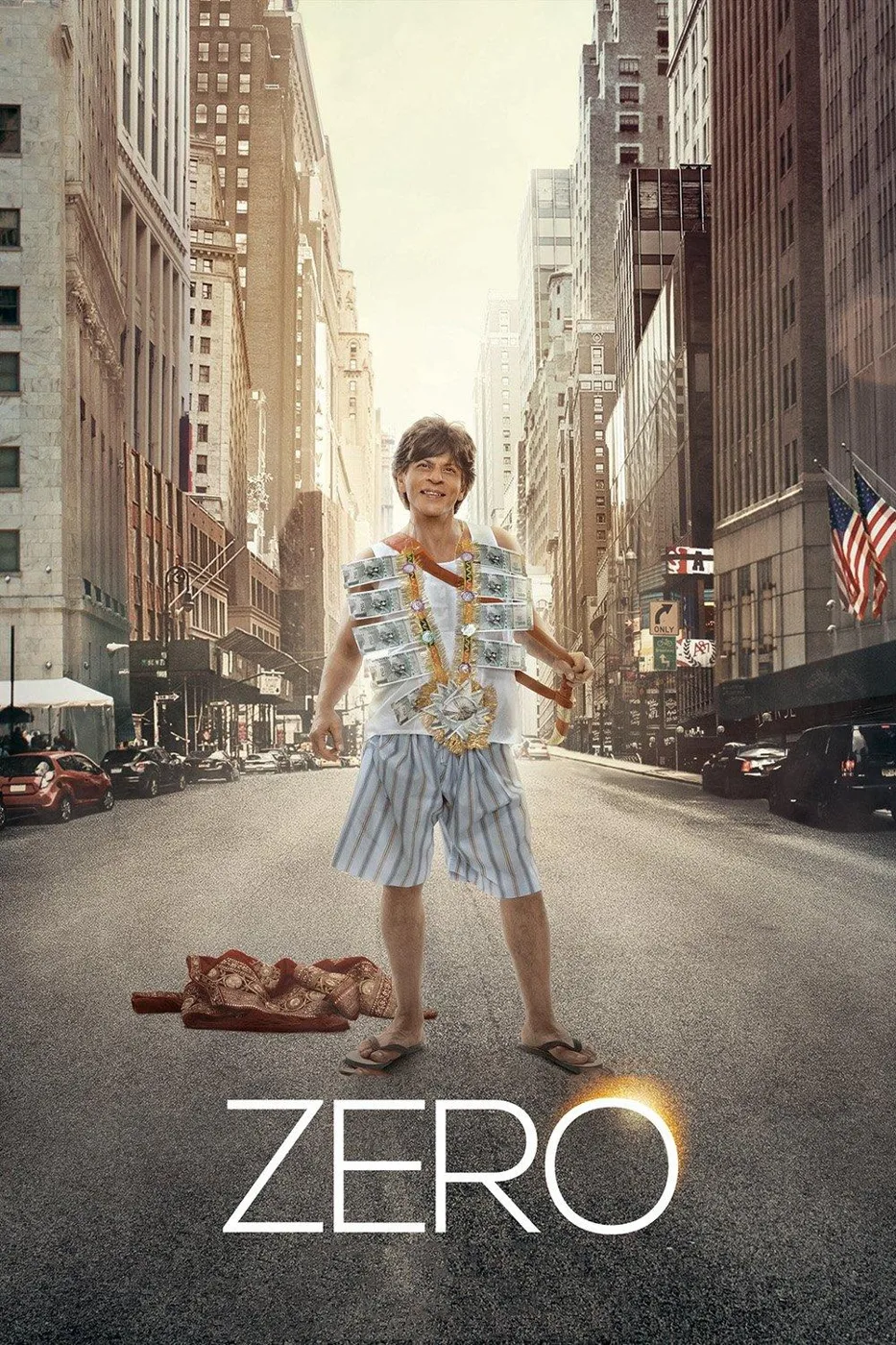
ZERO, released in 2018, provides a compelling symbolic endpoint for this phase of the story.
The title itself creates a narrative bridge back to the beginning of the digital experiments and forward to the later return.
ZERO is not used here as a judgement on the film's creative merit or commercial performance. It is a narrative marker: the close of one period of the Shah Rukh Khan story, followed by an extended interval before his return to leading theatrical roles.
The question is not whether the superstar disappeared.
The question is what happens to an ecosystem when its central figure steps away from the familiar release cycle, and whether the digital relationship with the audience can survive independently of the next film.
That question would become far more personal in October 2021.